

Anyone living in West London will have noticed the large scale construction happening in Acton. New apartment blocks appearing where tower blocks used to stand and signs for “Acton Gardens” replacing what was the South Acton Estate.
For Acton Gardens landlords across W3, this isn’t minor infill development. It’s an £800 million regeneration project that’s delivering 3,463 new homes over 20 years to West London. A project that is reshaping a 52-acre site in W3. For landlords with property anywhere in the Acton area, it’s a project that will affect your property whether it’s in the development or not.
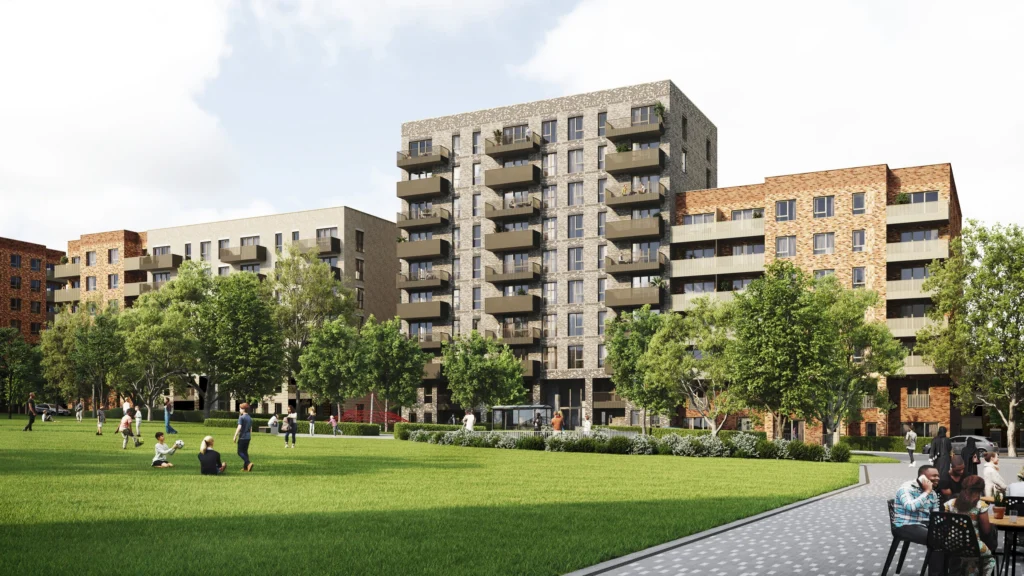
So What Is Acton Gardens?
The estate was once known as the South Acton Estate. A council estate built in W3 as part of the post war reconstruction that you can read about here. It was built between 1949 and the late 1970. But only 30 years after its completion, the estate had already deteriorated badly, and public perception was at an all-time low. For years there had been attempts at refurbishments but in 2008 Ealing Council decided that the only option was to carry out a full-scale regeneration project, and they selected Acton Gardens LLP in 2011 to carry out the large-scale transformation.
The scale:
- £800 million total investment
- 3,463 new homes are being built to replace the original 2,100
- 21 phases planned to be completed over 20 years
- 50% affordable housing (social rent, shared ownership, shared equity)
- 50% private sale and market rent
- 500,000 square feet of public space including parks, play areas, courtyards, and allotments
- A Community centre, medical centre, nursery and retail/café spaces to support the community
- The approach:
One thing that stood this estate regeneration apart is that fact that the existing residents weren’t displaced. Secure council tenants were given the choice to either move to new homes within Acton Gardens or provided support to relocate to Ealing. Any leaseholders were given buyback offers. By rolling out the project in phases, residents were able to relocate directly to new houses without being temporarily displaced.
One of the driving factors that has made Action Gardens such a success has been its focus on its residents. When the project was during the phases, only 20% of residents wanted to move into new homes. But recent results show us that now 94% to stay.
This isn’t just PR pushed out by the developer, it’s based on a decades worth of independent research that has been focused solely on the experience of the residents of the estate.
Where Acton Gardens Stands Now for West London Landlords
As of the start of 2026, two-thirds of the regeneration projects have finished and so far, it’s introduced 2,189 new homes.
What’s been built in Acton Gardens so far:
- The homes have been made in a mix of apartments, maisonettes, and townhouses. All designed by a range of different architects (HTA, Alison Brooks, Allies and Morrison, Stitch, and others)
- Homes built around courtyard blocks with thriving community gardens and streets designed for pedestrians over cars.
- The Acton Gardens Community Centre is now acting as a community hub with co-working spaces and youth programs
- Green spaces and play areas that have actually been designed to be used by all residents
- Retail and café spaces enabling the community to connect
Currently under construction:
- Phases 8.1 & 8.2 – 236 homes with the first properties to be completed in 2028
- Phases 9.3, 9.5, 9.6 – 215 homes which will mark the finish of the work in the western quarter of Acton Gardens
If you’re interested in seeing exactly what’s happened in the Acton Gardens regeneration so far, and what’s coming, then you should take a look at this piece.
The thing that really sets Acton Gardens apart is that the designers didn’t just make promises, that’ve actually met them.
Social Life (an independent research centre) has carried out research in the local area and its residents for over a decade, with the latest reports (2023-2024) really highlighting growing satisfaction, improved safety perceptions, and continuous increases in wellbeing of the residents across the estate.
For Landlords who already own properties here, or for the ones that might be considering it, these are the kind of results that can give you confidence in your investment. If you have satisfied tenants, you can be confident in your property’s retention and the stability of your income.
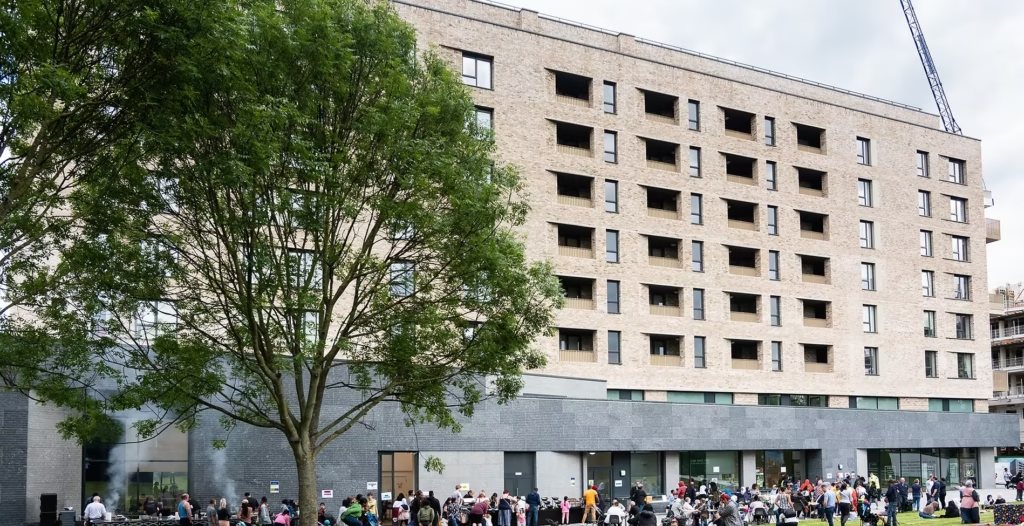
What’s Happening By 2028
There are between 1,200-1,300 homes still planned to be built during phases 10-21, with planned completion expected by November 2028. That’s around three more years of construction.
The last 11 phases will:
- Continue the 50/50 affordable and private split
- Complete the rehousing of all previous South Acton Estate residents
- Continue to add to the community infrastructure with more youth facilities and further public space improvements
- Connect all phases of the regeneration to finish as a cohesive neighbourhood vs an estate with distinct “phases”
As each phases complete, the estates infrastructure will come fully online, with the District Heating System expanding, the landscaping maturing with time and community facilities being fully utilised, Acton Gardens will officially move on from a “regeneration in progress” to “completed development.” That shift is when property values with officially stabilise and the area’s long-term character will become clear.
Why West London Landlords Should Be Paying Attention To This Regeneration
1. A large amount of new supply in a supply constrained market
The development of almost 3,500 homes in W3 is a large amount of new property supply. Around half of these homes are private market and while not all of these are going to be buy to let, a decent amount will be.
For Landlords who already own property in Acton, this is going change current competition and opportunities for you. If you own an older property, you’re going to face high competition to compete with the new build appeal. But, if you understand how the regeneration is affecting the surrounding areas and rental demand, this could be a big opportunity.
2. Shifting tenant demographics
Acton Gardens is attracting a whole new demographic since the start of the regeneration –
- Young professionals: There’s been an influx of young professionals because of the focus on modern specifications, good transport links (Acton Central and South Acton stations), and co-working facilities at the Community Centre
- Families: The development of three and four bedroom homes with private gardens, play areas and community facilities means more families are moving into the area
- Key workers: Affordable rent options mean nurses, teachers, local authority employees are actually able to afford to live near their work
- Over-55s: The inclusion of Active Living apartments (Phase 7.2) means there’s independent living opportunities with adaptable designs
The fact there’s such a mix in demographics has created demand across a range of property types and prices. If you currently own a property in or near Acton Gardens, understanding which demographic your property appeals to can help optimise letting strategies.
3. Improvement in public opinion
The amount of independent research carried out by Social Life over the last 10 years provides rage evidence based insights into what actually works in regeneration projects.
- Increased satisfaction rates with new and old residents
- Improved feeling of safety which is key for rental demand
- High wellbeing metrics for residents in new homes
- A growing community as facilities are actively used
These shouldn’t be viewed as soft factors. Safety perception will always drive rental demand. Community growth is key to tenant retention. Facilities that get used (not just built) add genuine value to properties and residents.
4. Longer tenancies equal better returns
The research done by Social Life really highlights the amount of residents wanting to stay in Acton Gardens. Remember that 94% figure? That’s residents who’ll active choose to remain in the area instead of relocating when given the choice.
And for Landlords, longer tenancies mean:
- Fewer void periods with no gap between tenants = no lost rent
- Lower churn costs with less frequent marketing, referencing, inventory, check-ins
- More reliable incomes as stable tenancies = reliable cash flow
- Better property condition as long-term tenants will always look after their home better then short term tenants
If you’re considering two similar investments and one’s in an area where residents are choosing to stay, that’s a significant advantage for your income.
5. Rental yields in new builds vs existing properties
The rental yields across W3 vary significantly depending on property type, location, and it’s condition. We can see that new builds at Acton Gardens command premium rents (modern specs, warranties, energy efficiency) but also come with higher price tag and service charges.
Yields on Acton Gardens properties likely sit around 4-5% gross, slightly below some older W3 locations, but it’s still competitive given the quality and tenant appeal.
The trade-off for a slightly yield is lower cost and maintenance because of new build warranties and significantly higher tenant demand.
6. South Acton regeneration lifting surrounding values
An important thing to confider is that large-scale regeneration isn’t only affecting property values in the development itself. There’s an outward ripple of opinions because of the improved public space, better safety perceptions, new amenities, and changing demographics.
If you own an existing property near Acton Gardens, you’ll be directly benefiting from:
- Improved area opinions (the “Acton is changing” narrative attracts buyers/tenants)
- Better local facilities like the community centre, retail, green spaces are accessible to surrounding communities
- Improved transport because of the focus on pedestrian and cycle routes
- The shift in demographic has increased diversity, and higher-income households raise the average spending power of the community
For properties immediately adjacent to regeneration areas will see an uplift in their values. While the effect is less impactful further out, for properties within a 0.5 mile radius there will typically be a measurable effect.
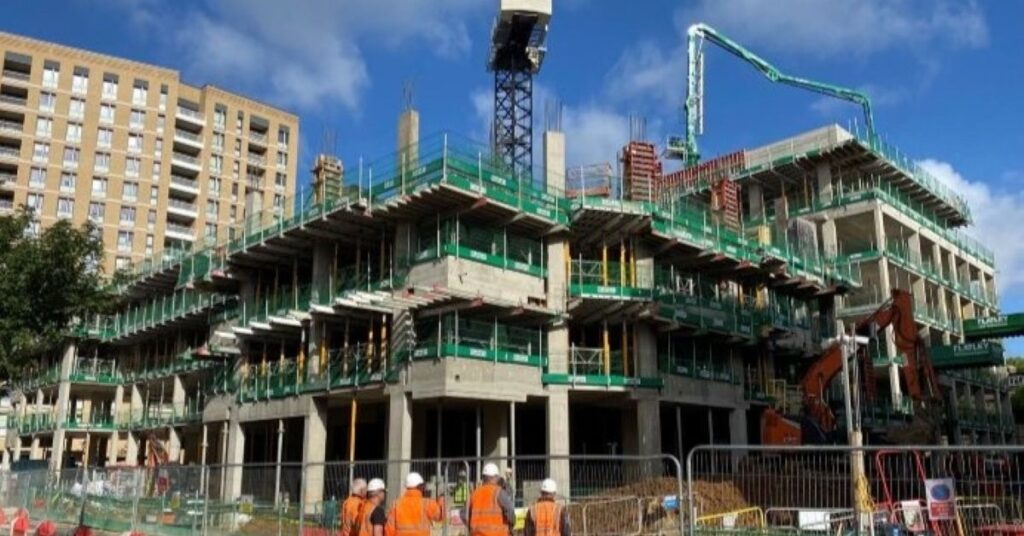
Things For Landlords To Consider When Investing
New Build vs Existing Stock
There will always be pros and cons when considering investments. For Acton Gardens new builds:
- Pros: Properties with modern specs, warranties (typically 10 years structural), energy efficiency (lower bills attract tenants), contemporary design and strong tenant demand
- Cons: They come with higher purchase prices, service charges, a potential new build premium that erodes on resale, leasehold complications, and an unknown resale market
Existing W3 properties offer:
- Pros: Lower entry price, potentially higher gross yields, no/lower service charges, proven resale markets and a lot of room for value-add improvements
- Cons: Older buildings will always require more maintenance, EPC compliance changes might require some upgrades, and there’s generally less tenant appeal then neigbouring new builds.
The reality is, neither is objectively better. The right choice will depend on your investment strategy, cash position, and how much risk you’re willing to tolerate.
Warranties and Snagging
The new build properties in Acton Gardens come with:
- 10 year structural warranties
- 2 year developer defects period
- Building Safety Act protections and gateway approvals mean higher construction standards
But new builds will also have teething issues (minor defects requiring correction). If you’re buying a newly completed property, budget time and expect some back-and-forth getting issues resolved. Most resolve within the first 12-24 months.
Financing buy-to-let at Acton Gardens
Getting mortgages on new builds can be trickier than established properties:
- Some lenders restrict lending on new builds or might ask for larger deposits
- Service charges will affect profitability calculations
- Leasehold terms (ground rent, length of lease) will also impact lending decisions
You can expect that lenders will scrutinise more on new builds and it’s good to budget for 25-30% deposits to make sure the property can meet lending criteria before committing.
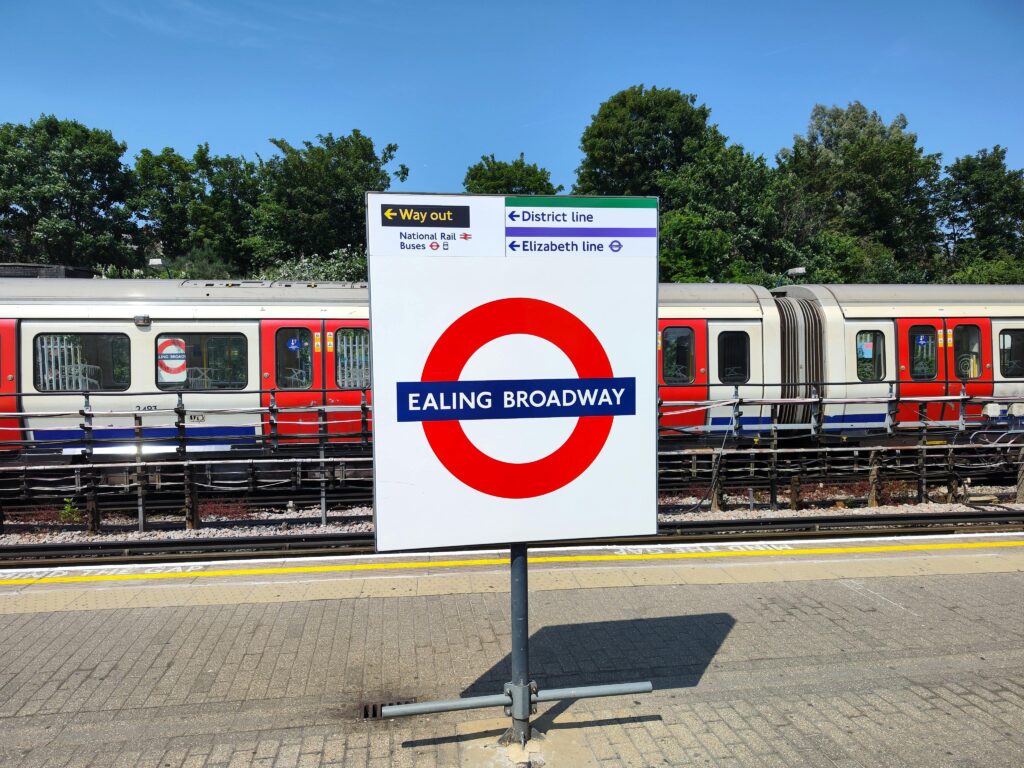
How Regeneration Is Expected To Effect Surrounding W3 Property Values
Regeneration projects on this scale will create ripple effects to it’s neighbouring areas:
Immediate vicinity (0-0.3 miles)
The properties that are closest to Acton Gardens will understandably see most impact. Both the positive (improved amenities and safety) and negative (continuous construction disruption lasting until the project’s end in 2028). A lot of property owners will have noticed the positive impact on their prices, and when it’s completed those prices will continue to rise as the construction comes to an end.
Wider Acton (0.3-0.75 miles)
Homes in this area will directly benefit from improved perception of the area, it’s improved facilities, changing demographics while not being effected by the full disruption of construction on this scale. This area will most likely see a gradual increase in value as the reputation of Acton improves.
Rental market dynamics
With such a large number of new properties (1,700+ private market homes), there will be an affect to the local rental dynamics:
- There will be a real increase in competition for tenants as they have more choice
- But, there will also be an increase in the overall demand and more people take interest in the areas
- The influx of modern housing options will set a quality benchmark and raise tenant expectations
- Older stock needs competitive pricing or genuine advantages to compete
The overall effect will be that the rental market will be more competitive and the quality and value matter more. Landlords who focus on owning well-maintained properties priced appropriately will continue to experience high demand but those with neglected properties are going to struggle.
The Bottom Line for Landlords
Acton Gardens is one of est London’s most significant developments in recent decades. £800 million, 3,463 homes, delivered by a partnership with long-term stewardship rather than build-and-exit approach.
For landlords, the key takeaways:
- The data suggests it’s working: Independent research shows resident satisfaction, improved safety, and measurable wellbeing increases. This is rare evidence in estate regeneration
- Tenant retention looks strong: 94% of residents choosing to stay indicates the kind of stability landlords value
- Supply is coming: 1,700+ private market homes by 2028 increases competition but will also raise the profile of the areas
- New builds command premium rents but have costs: Service charges and higher purchase prices affect yields
- Existing W3 stock benefits and faces competition: Improved area perception helps, but need to stay competitive
- Completion in 2028 marks inflection point: Construction disruption ends, area character crystallises, values should stabilise
Properties in Acton Gardens will suit your portfolio depending on your investment strategy. If you prefer to focus on stable, moderate-yield investments in improving areas, they’re worth considering. If you’re looking for maximum yields and are comfortable with higher management demands, then opportunities in the surrounding areas might suit you better.
Either way, if you operate in West London, it’s worth keeping up with what’s happening in Acton so you can make informed decisions on where markets are moving and where rental demand is heading.
David English provides property management, lettings, and investment advice across West London, with specialist knowledge of the Acton Gardens regeneration and W3 market dynamics. For guidance on Acton area investments or expert management of your rental property, get in touch.